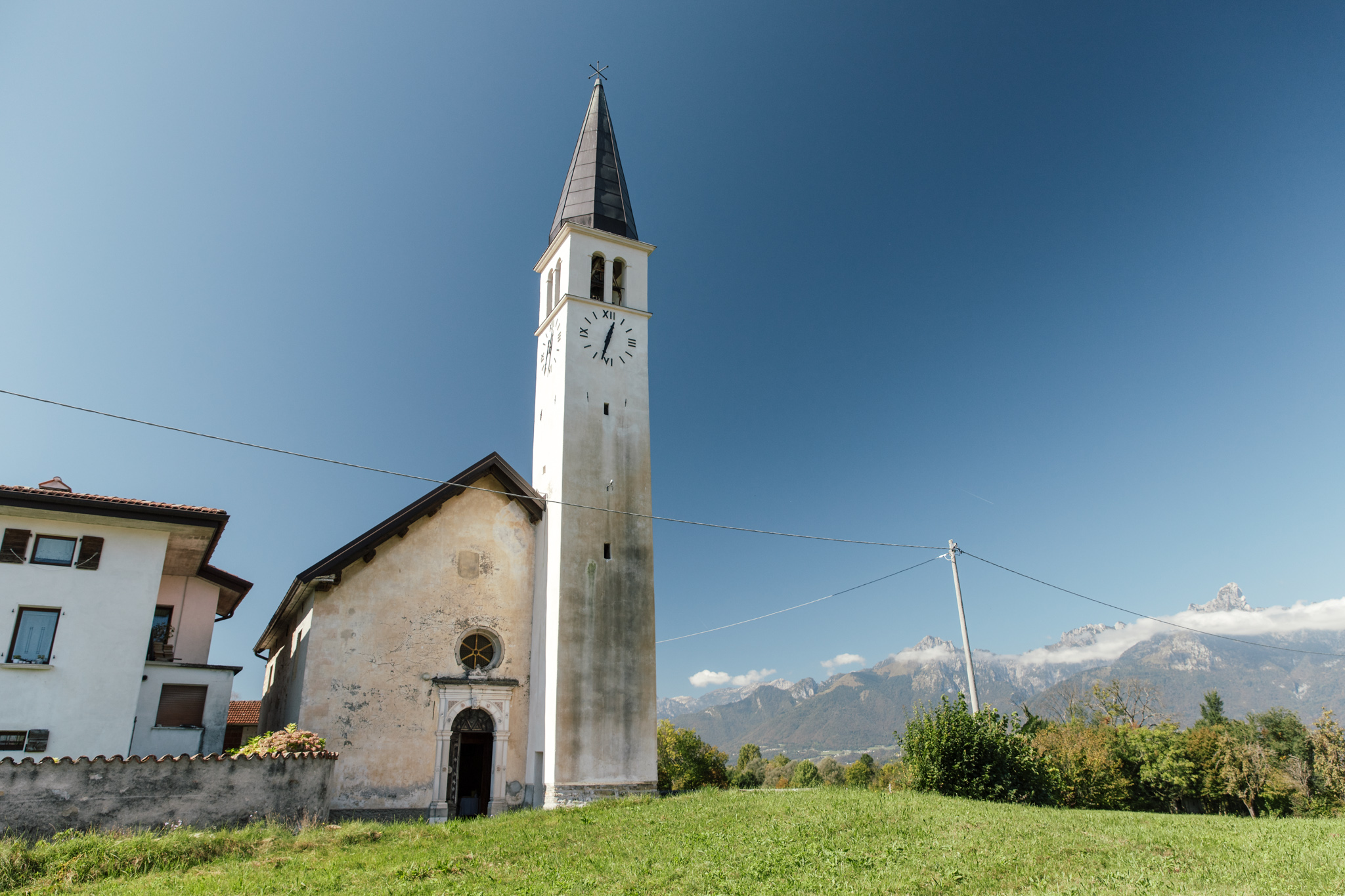
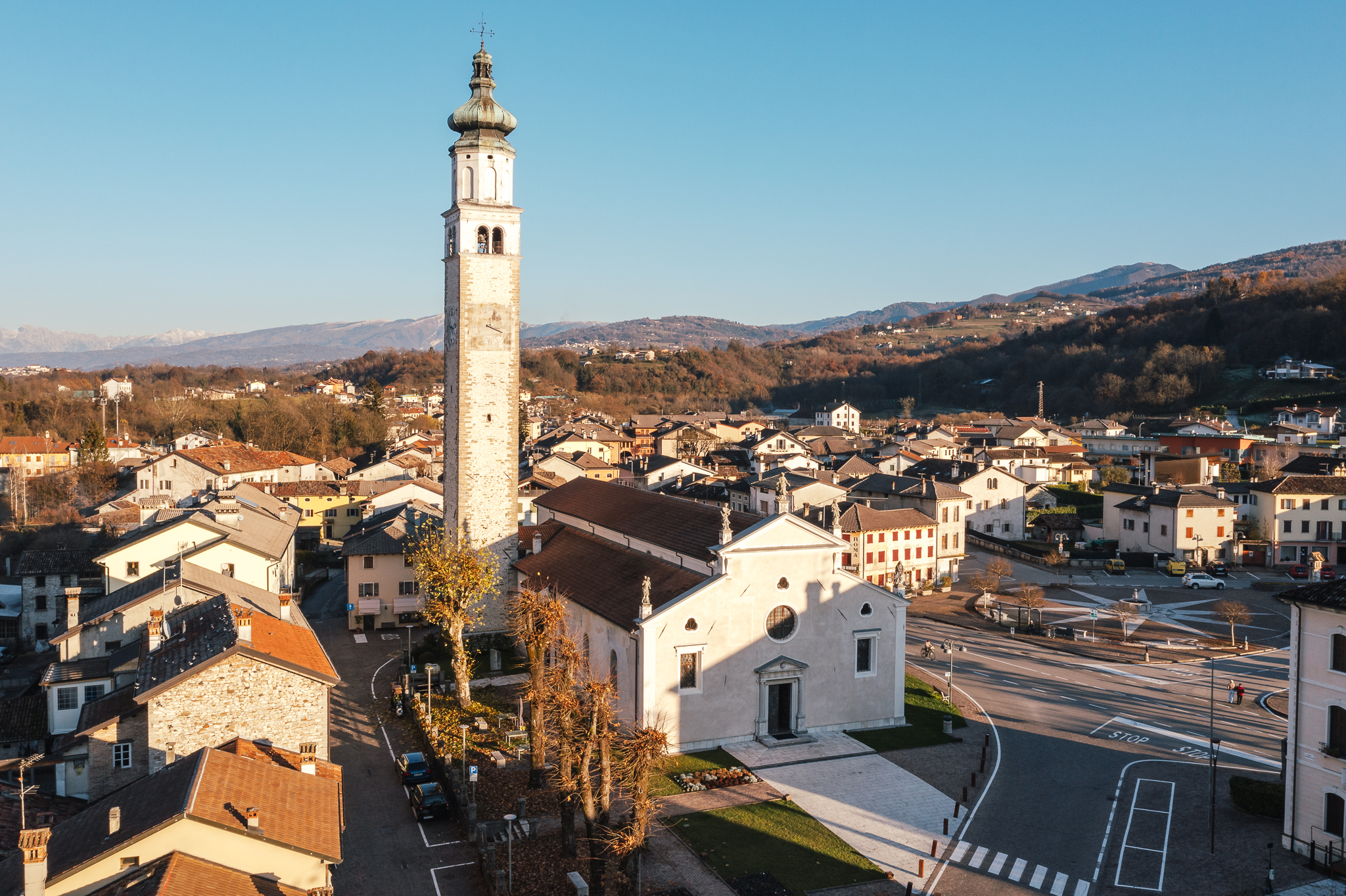
Church of St. Bernard in Cesana and St. Bartholomew in Villapiana
Layers of frescoes tell stories dating back thousands of years and a last supper with crayfish
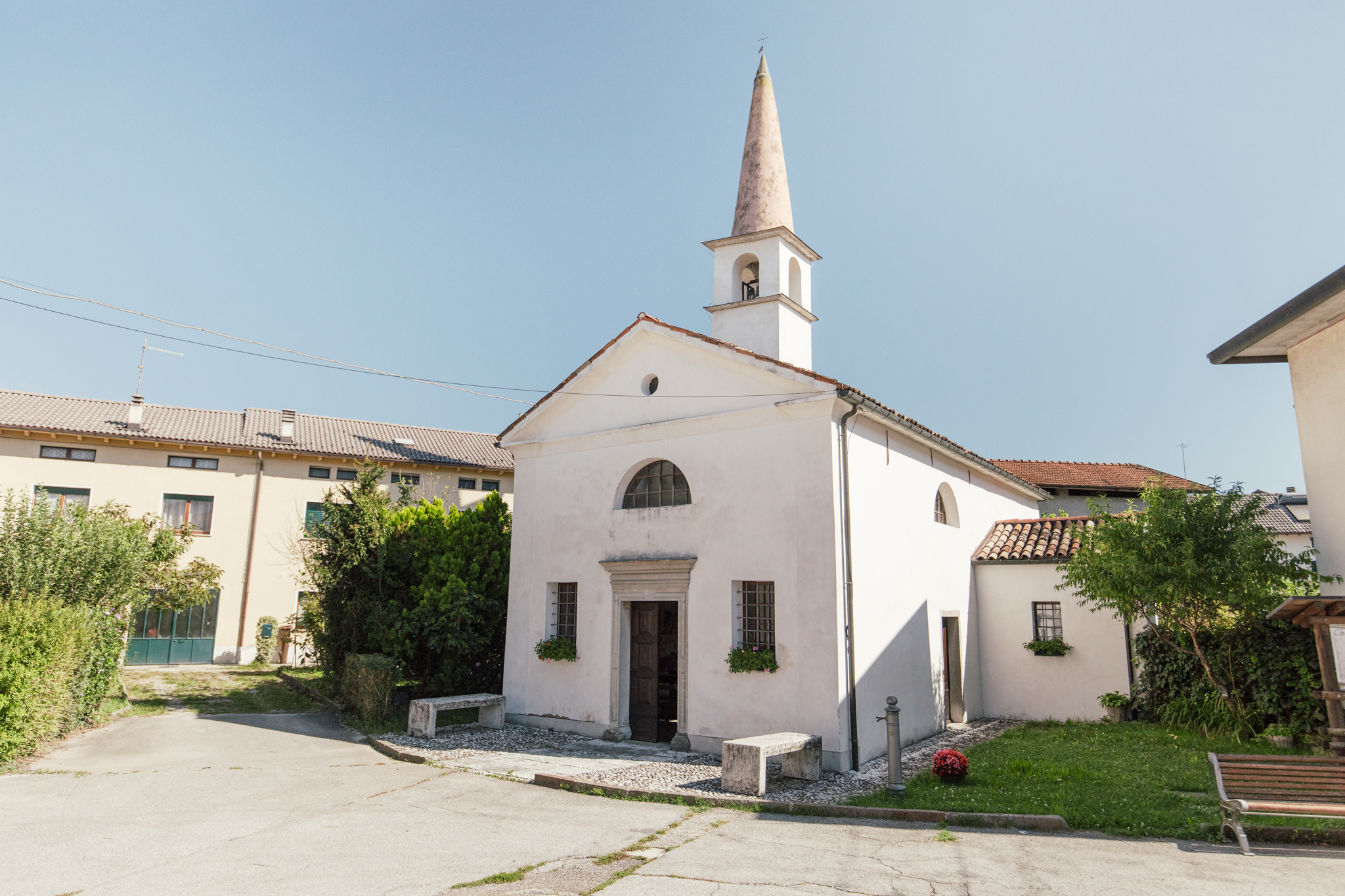
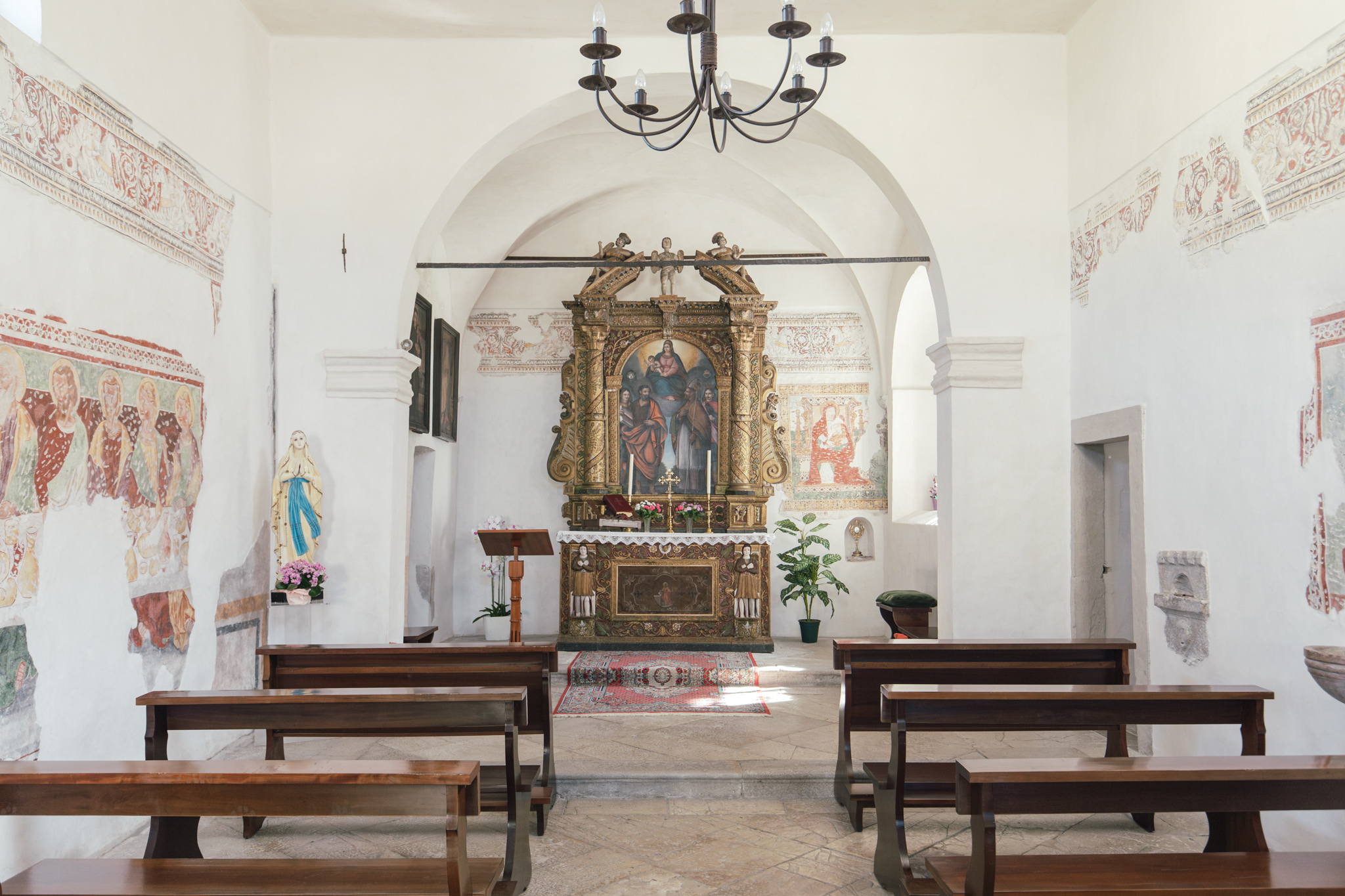
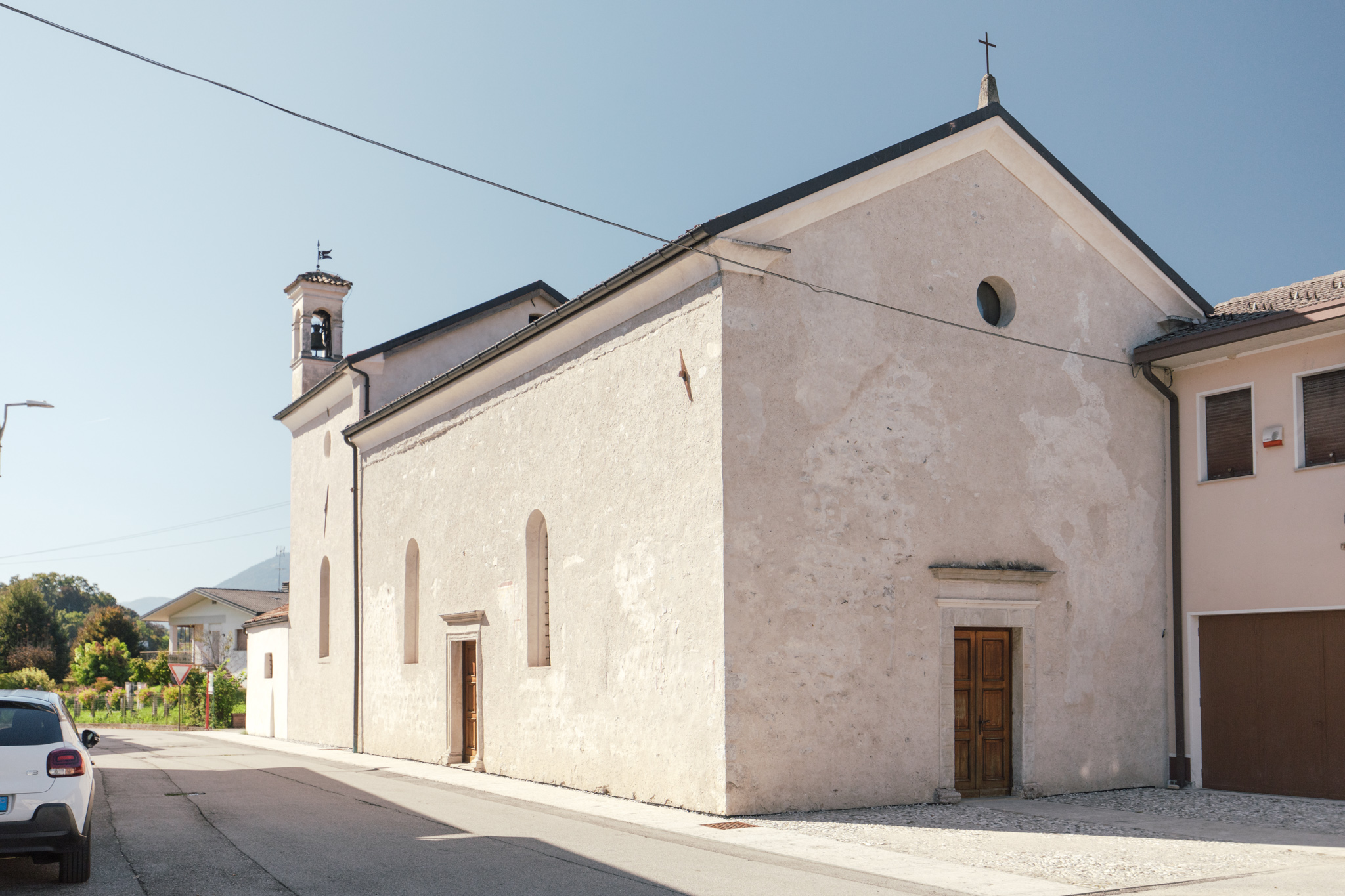
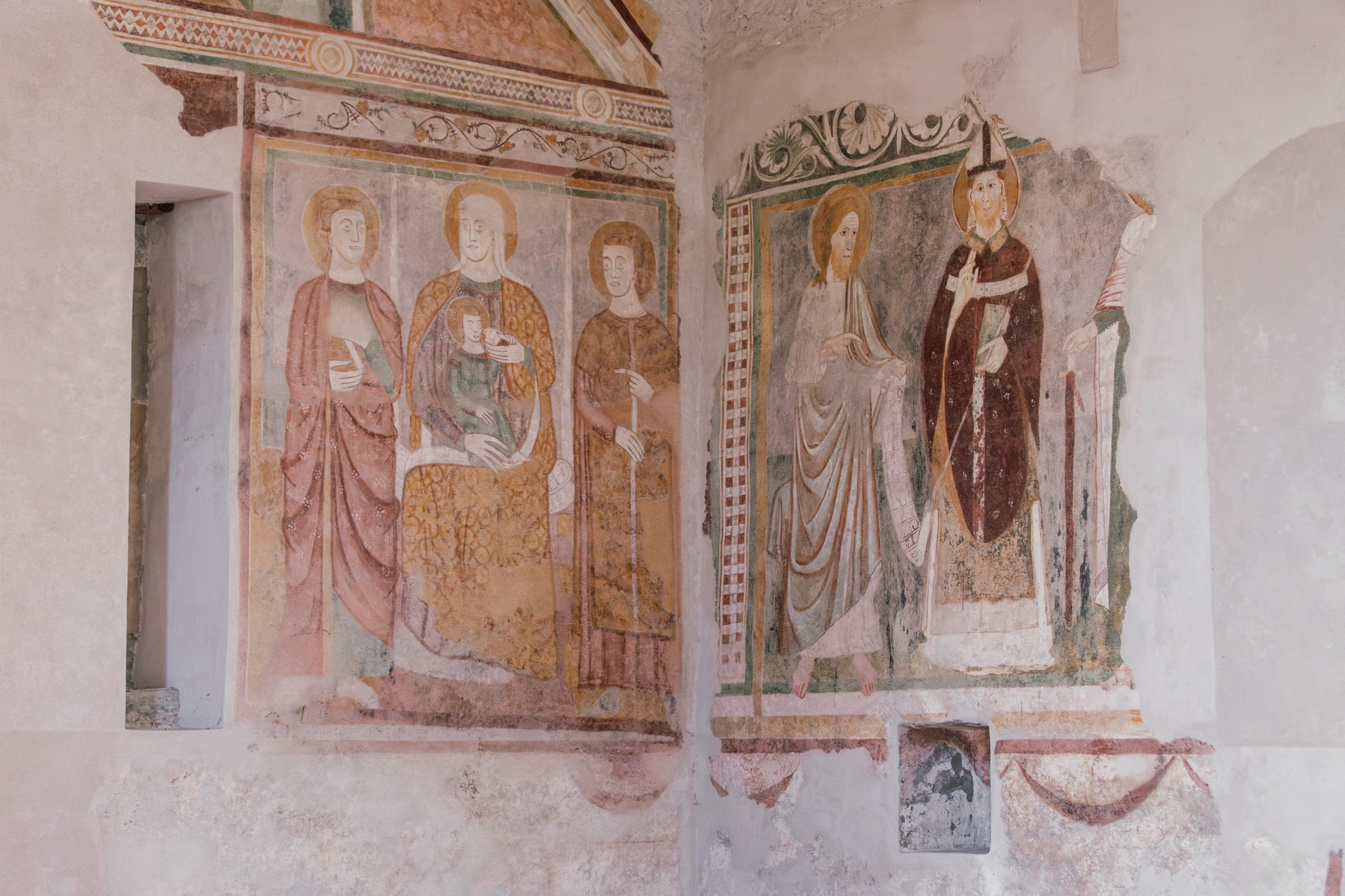
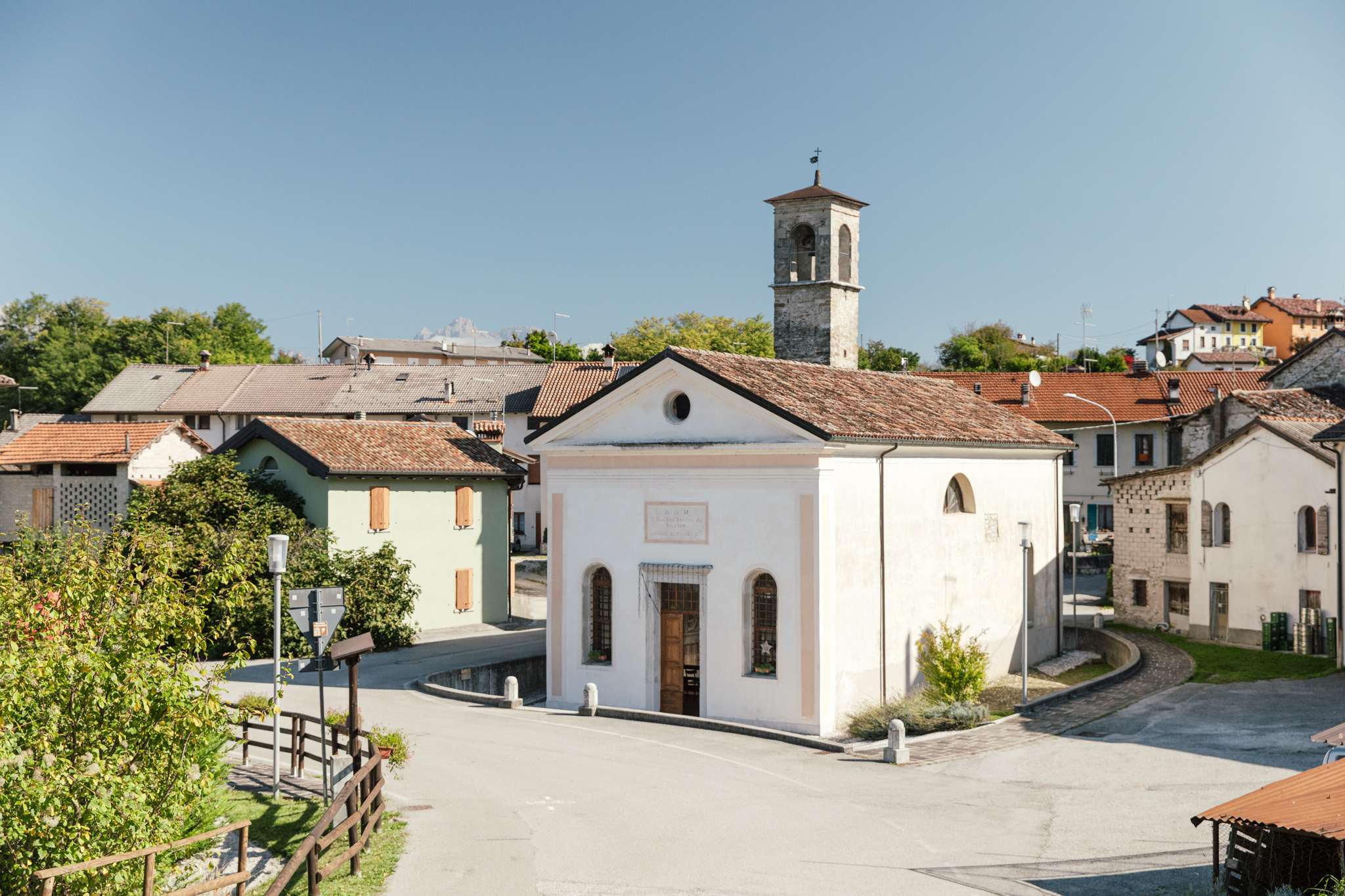
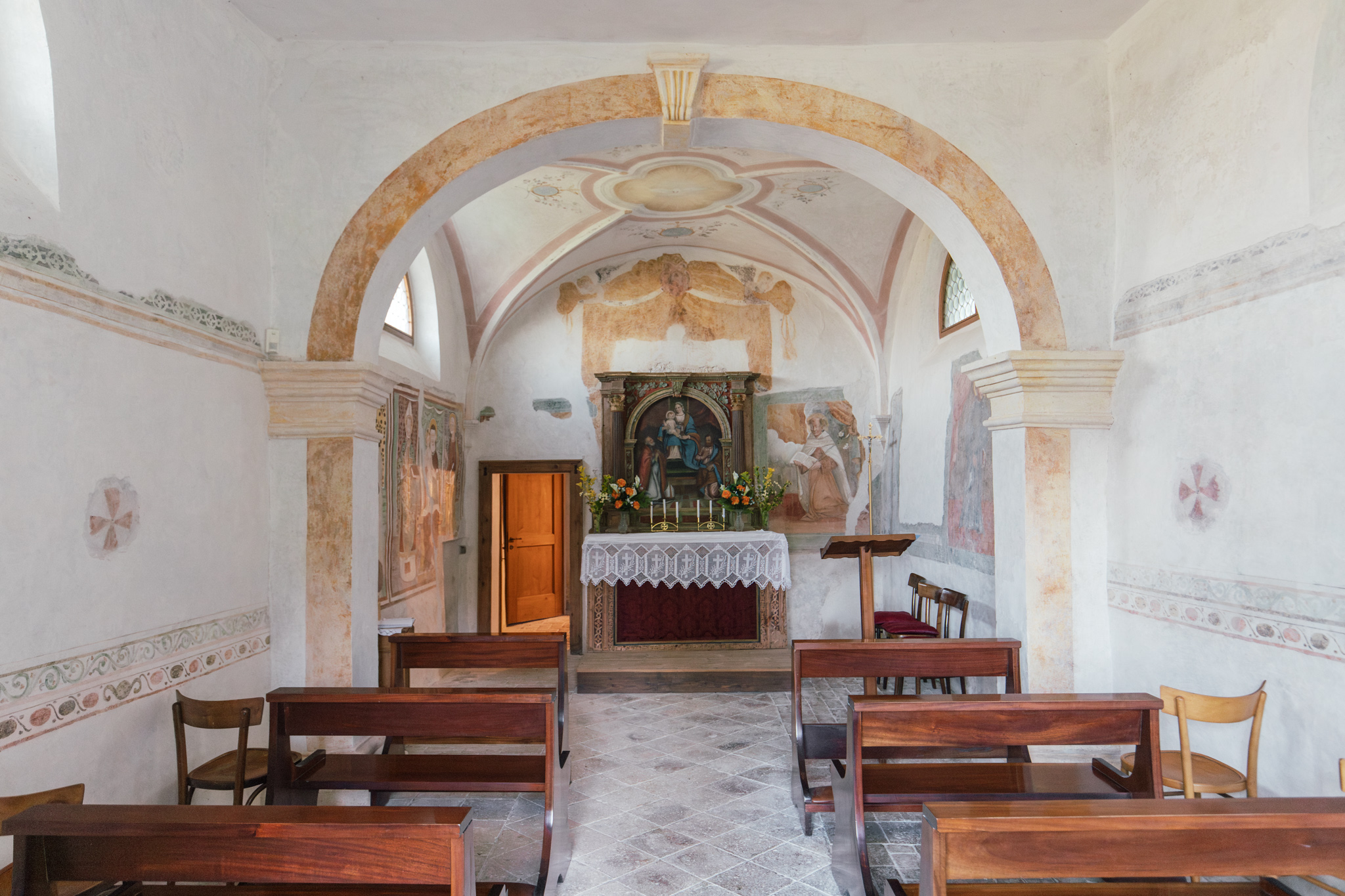
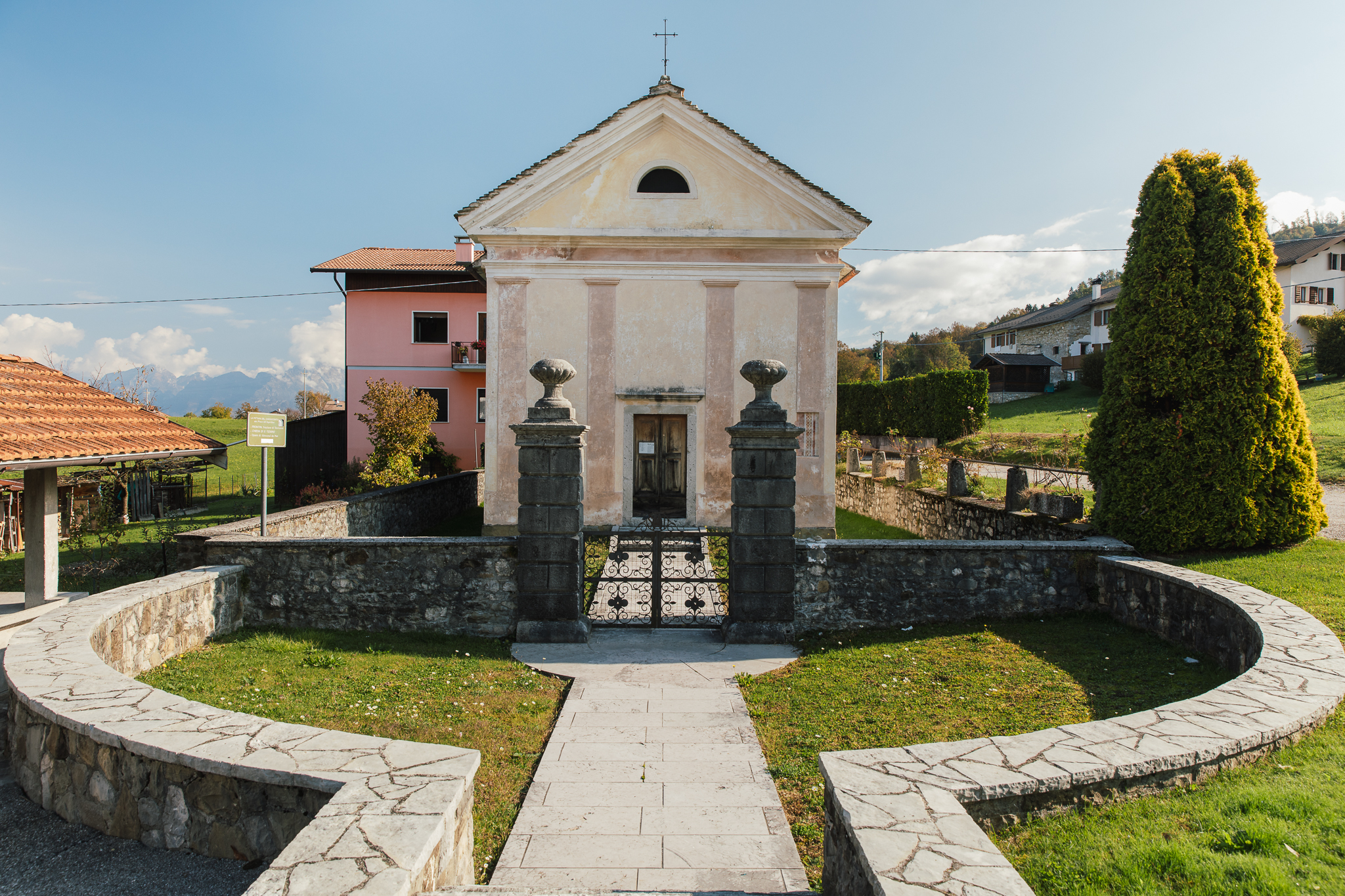
The church of San Bernardo is located in Cesana in the diocese of Vittorio Veneto. It is the only church dedicated to this saint. San Bernardo, wearing the typical white tunic of the Cistercian monks and a tonsured head, is depicted in a 14th-century fresco on the east wall, now on the counter-façade, but originally in the apse. Next to him are two saints: St. Bartholomew and St. Peter. In the ancient apse, the scene of the Annunciation can be seen: the archangel Gabriel is kneeling on a pedestal within a niche with slender columns; on the right, Mary holds one hand on her heart and the other on her already swollen belly.
The oldest fresco, dating back to the 13th century, depicts the episode of the lactatio Virginis with the elegantly dressed Madonna breastfeeding her baby Jesus, between St John the Baptist and St John the Evangelist. The church of Cesana offers a splendid array of saints. It is impossible not to notice the fresco depicting St. Christopher, the bearer of Christ, who became the patron saint of travellers for this reason.
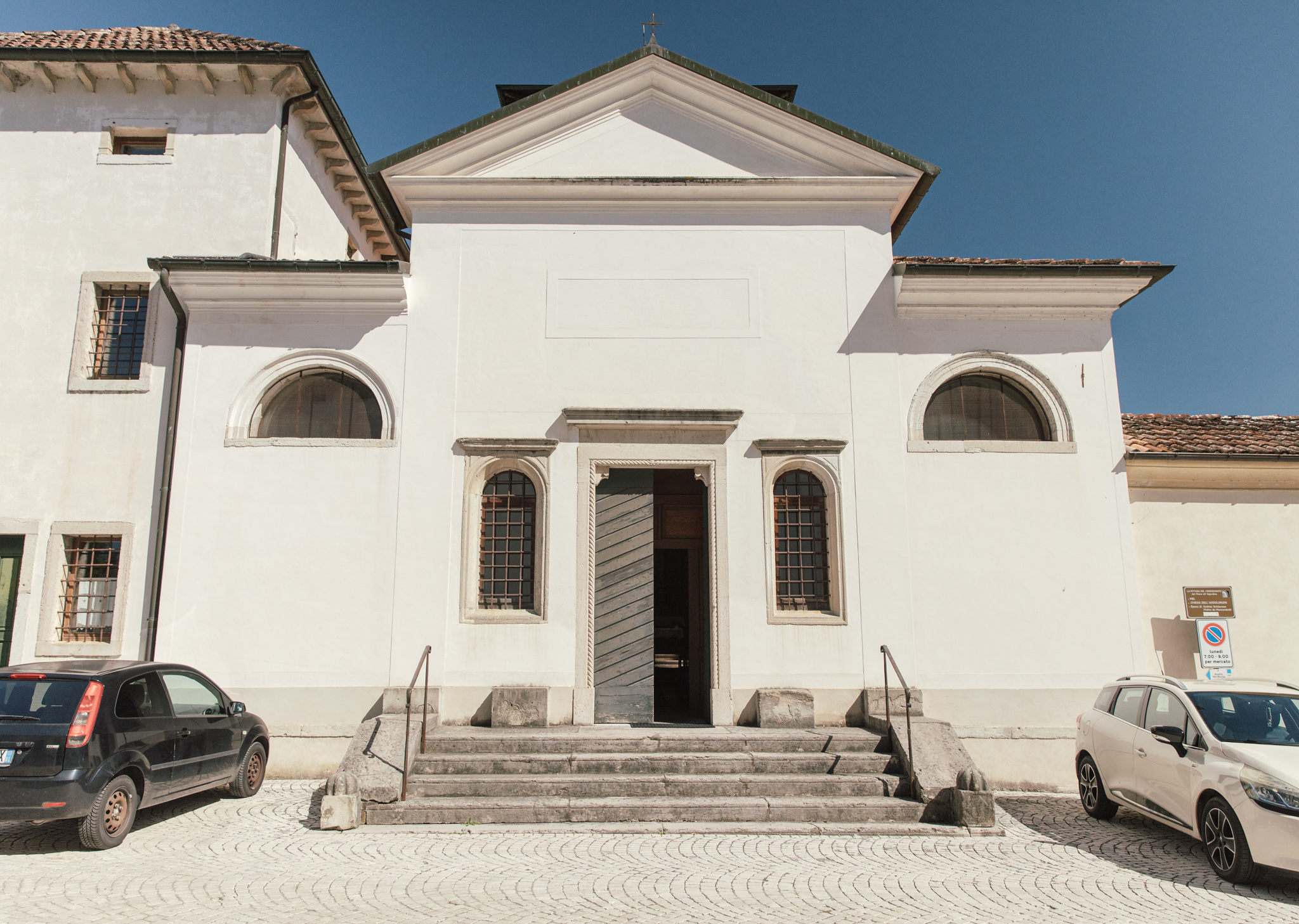
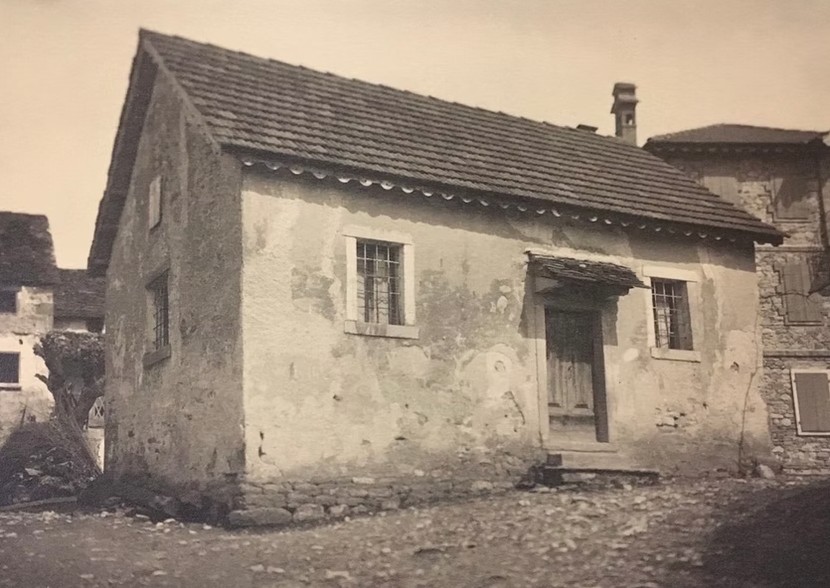
The church of Villapiana is dedicated to St. Bartholomew, who is depicted in various moments and spaces. On the right wall, his youth is represented: we see a young, thin, handsome, blond man with a dagger in his right hand, symbolising his martyrdom. In the frontal part of the altar, he wears a red robe indicating his martyrdom and is already a middle-aged man with a beard and long hair. The altarpiece, dating from 1641, shows him among saints in a sacred conversation with the Madonna-in-glory and the blessing Child. In 1540, as clearly stated in the inscription on the counter-façade, the painter Marco da Mel frescoed this church, recounting the life of the saint. The scene of the baptism of Polymius is well preserved. Saint Bartholomew, with black curly hair, large eyes and a thick beard, is about to baptise the elderly King Polymius. The scene is witnessed by his wife, with her head covered, his daughter freed from the devil and other fellow citizens.
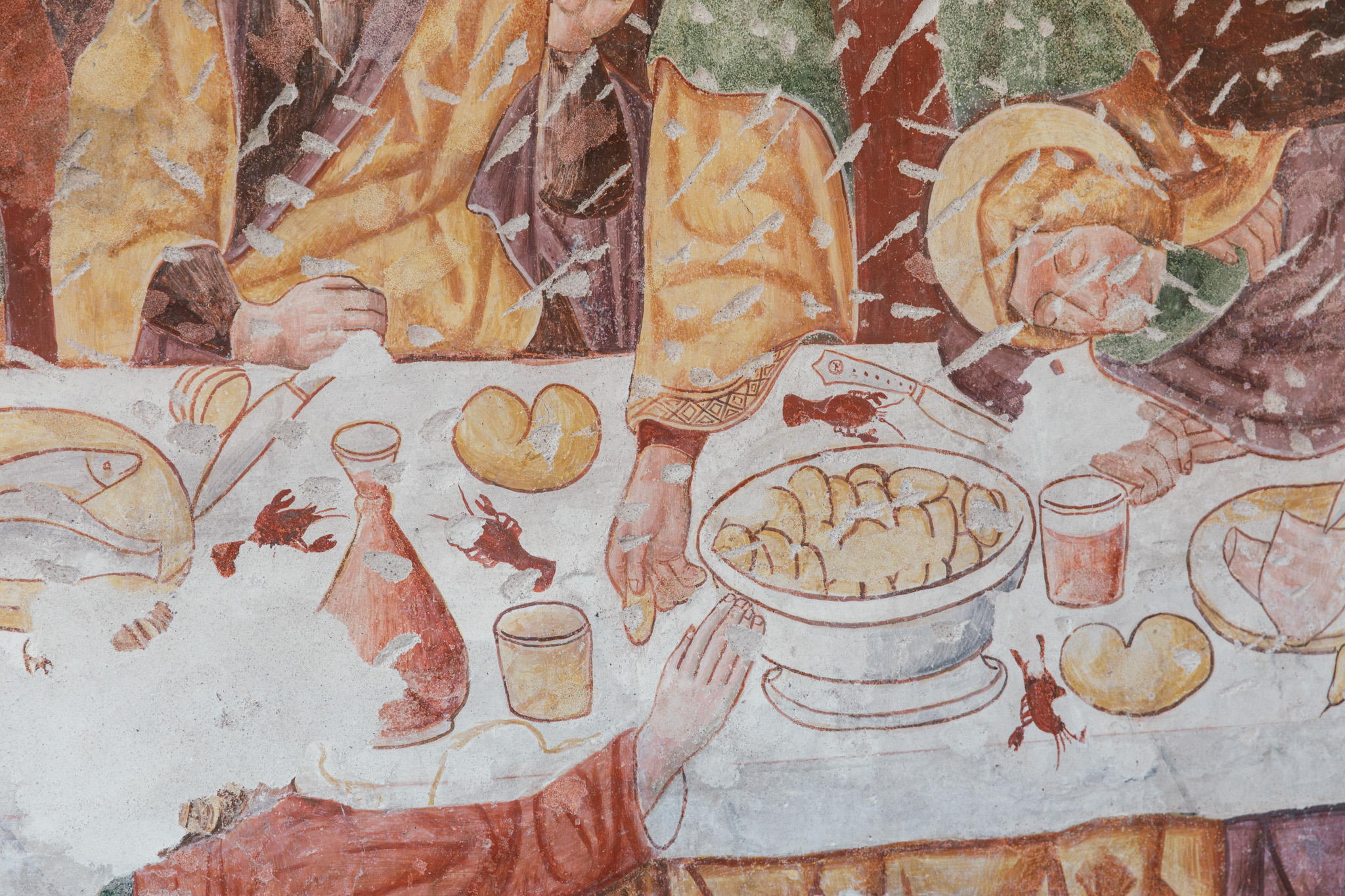
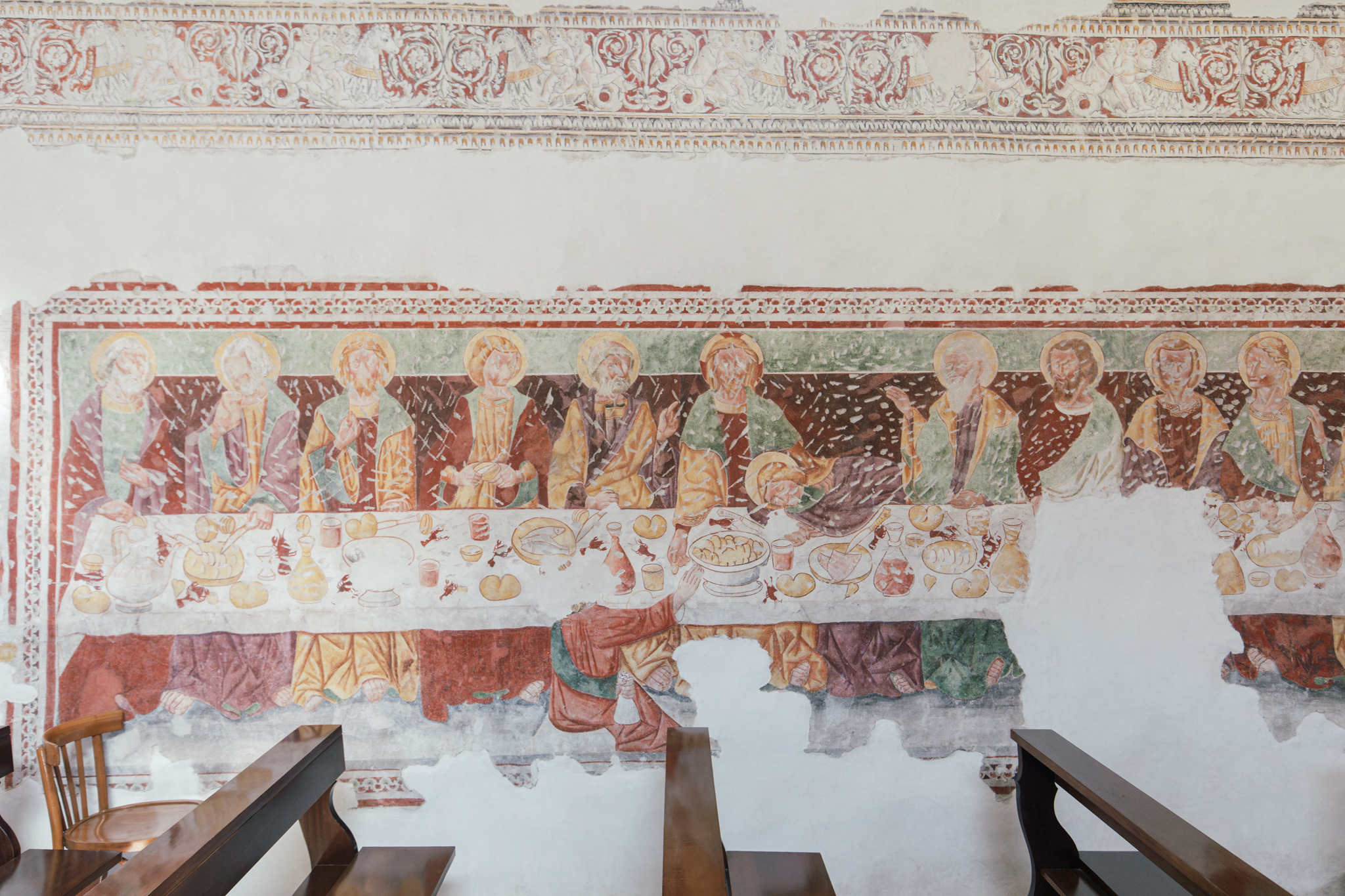
Of particular note on the north wall is the representation of the Last Supper by an unknown 15th-century artist, which became visible after the removal of Marco da Mel’s Last Supper. Curiously, the table features traditional local foods, including crayfish, once very common in the area; red crayfish also have a profound symbolic value in reference to the death and resurrection of Christ.