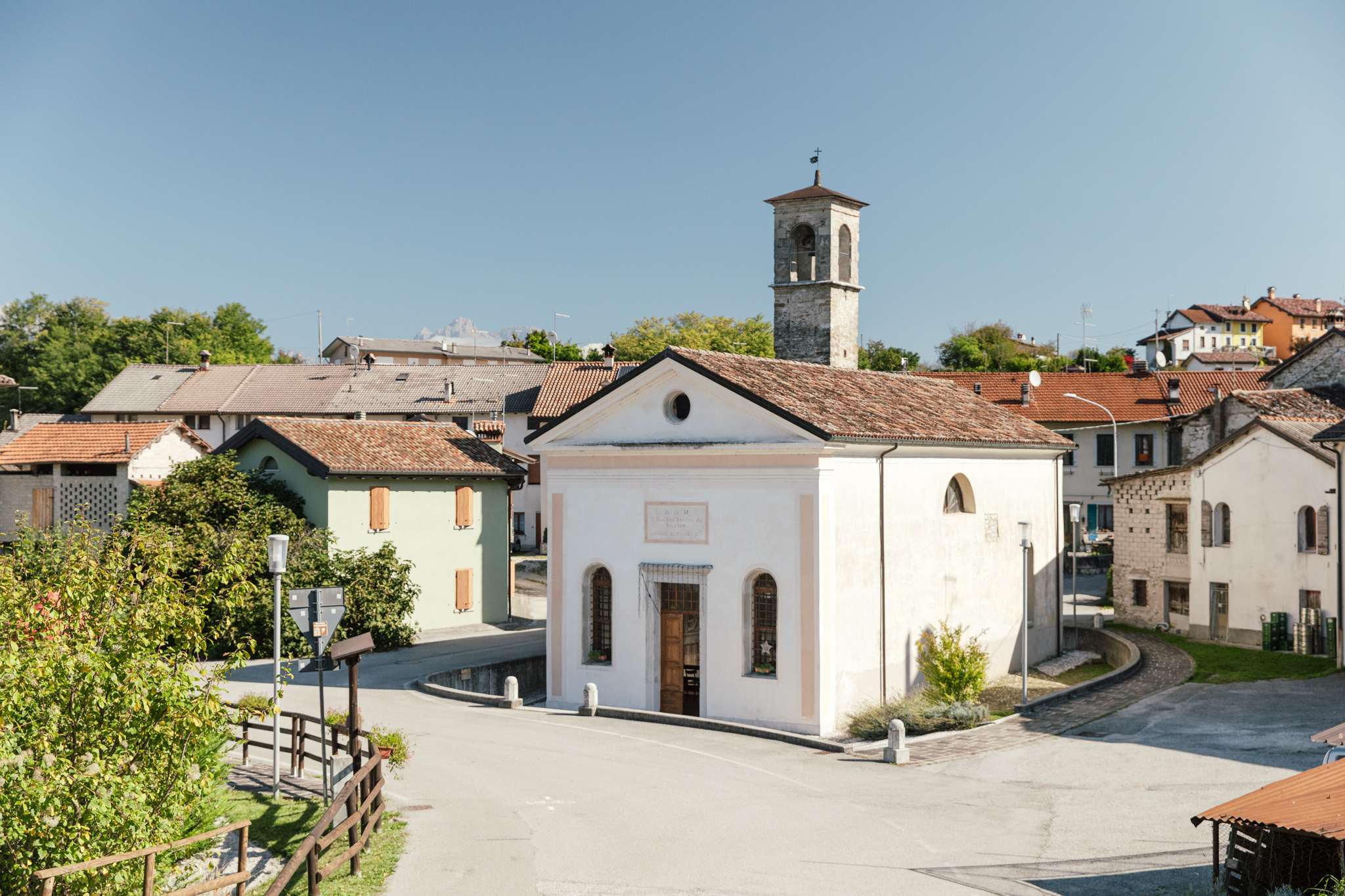
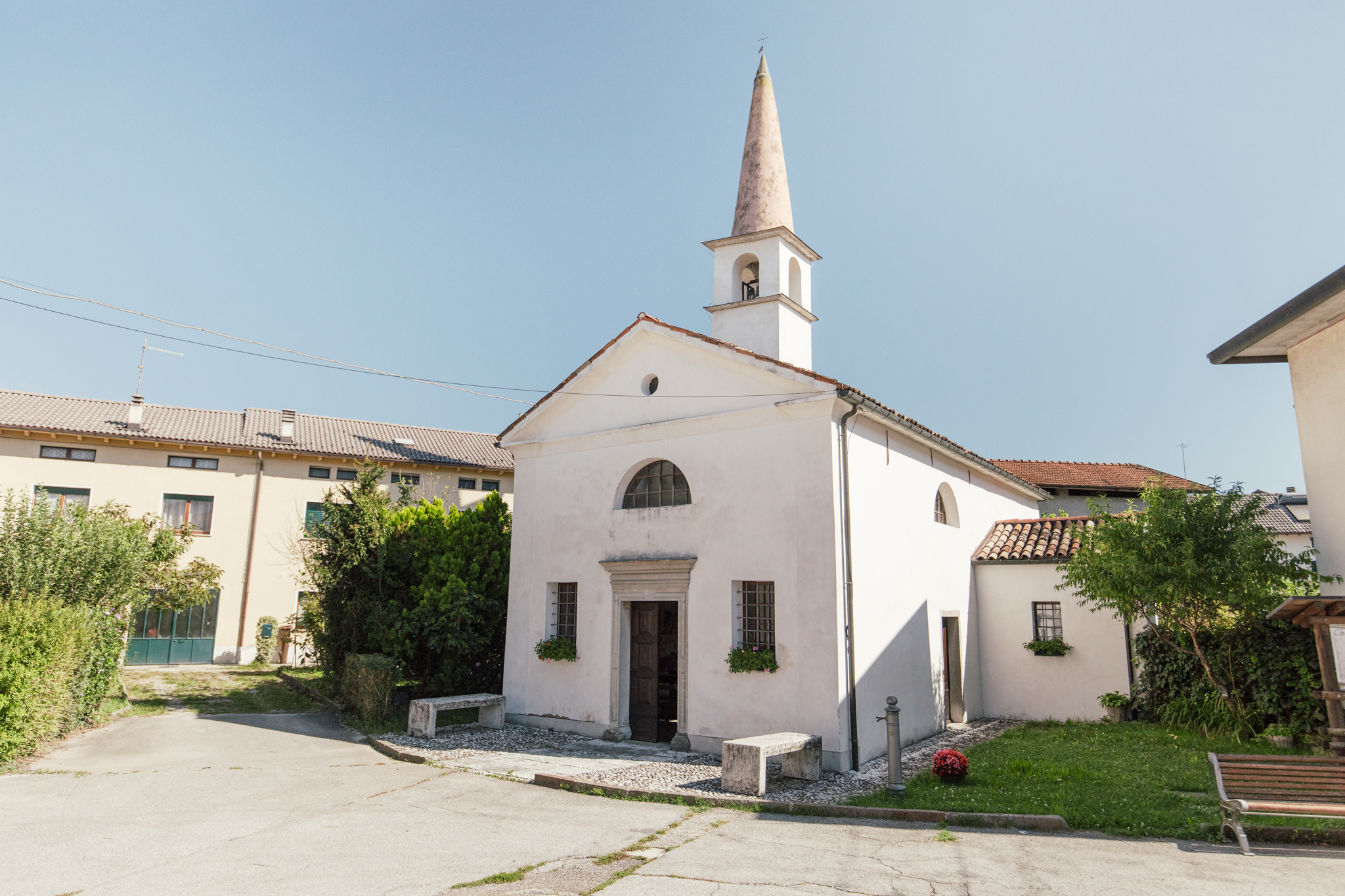
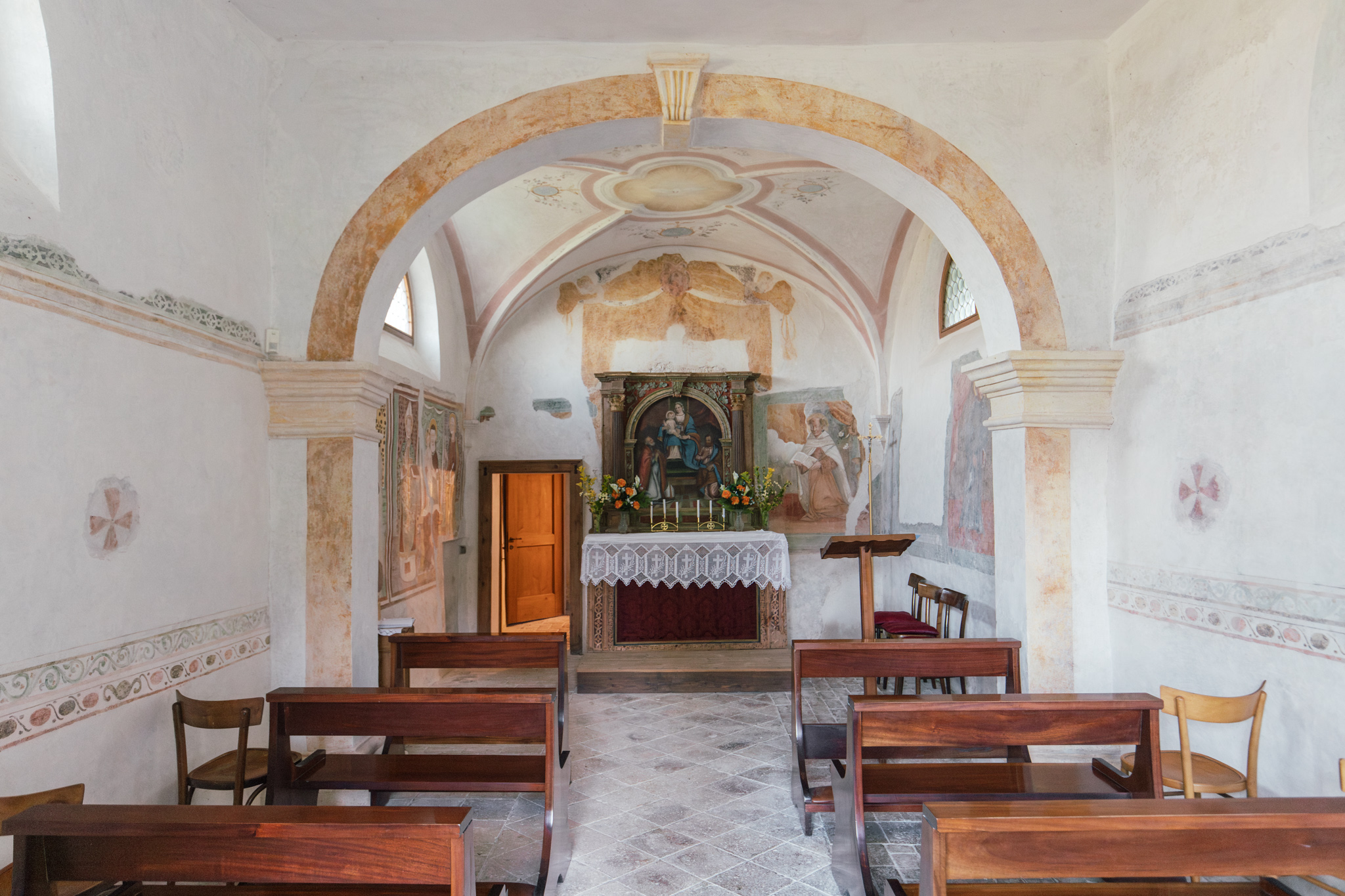
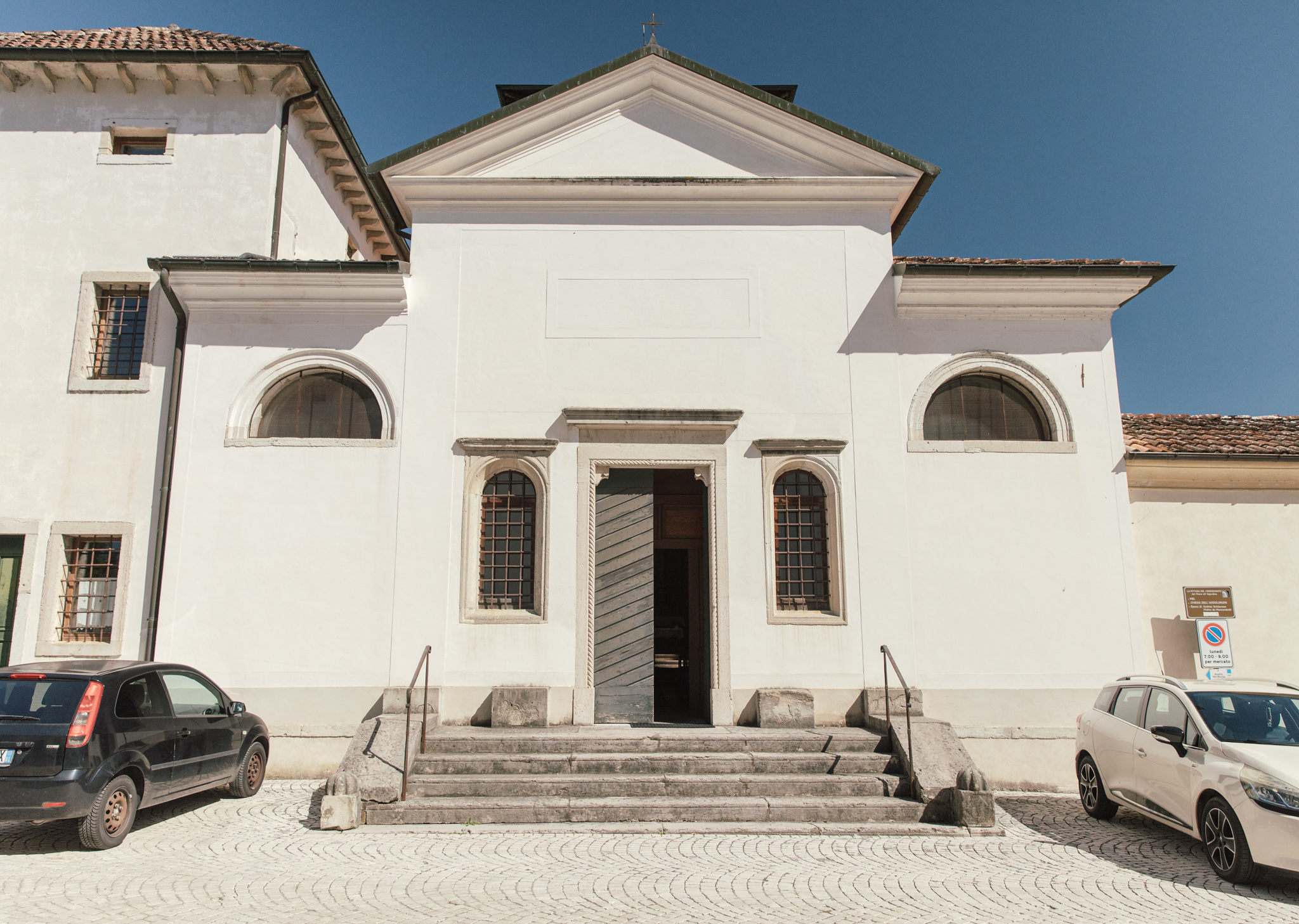
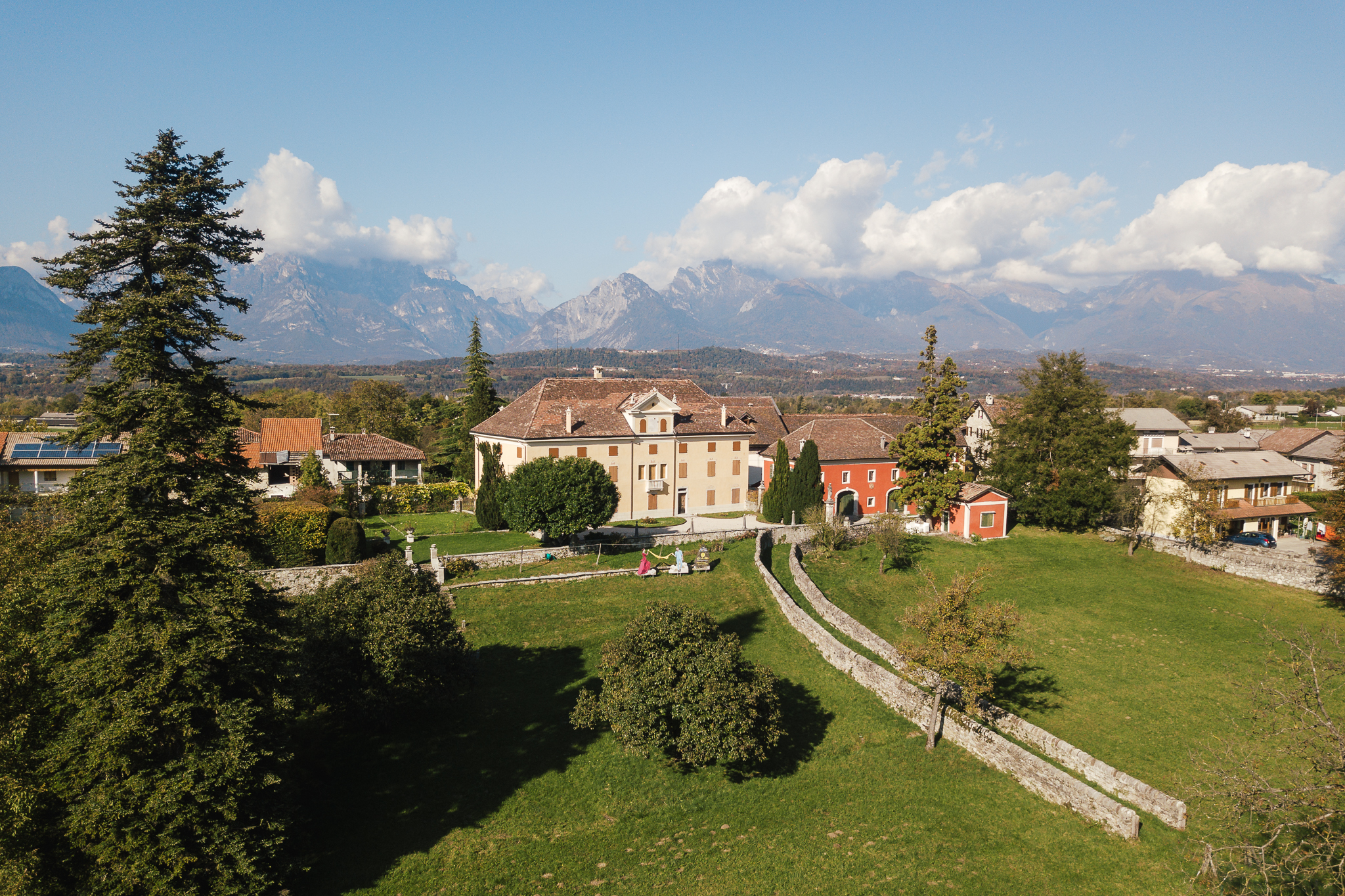
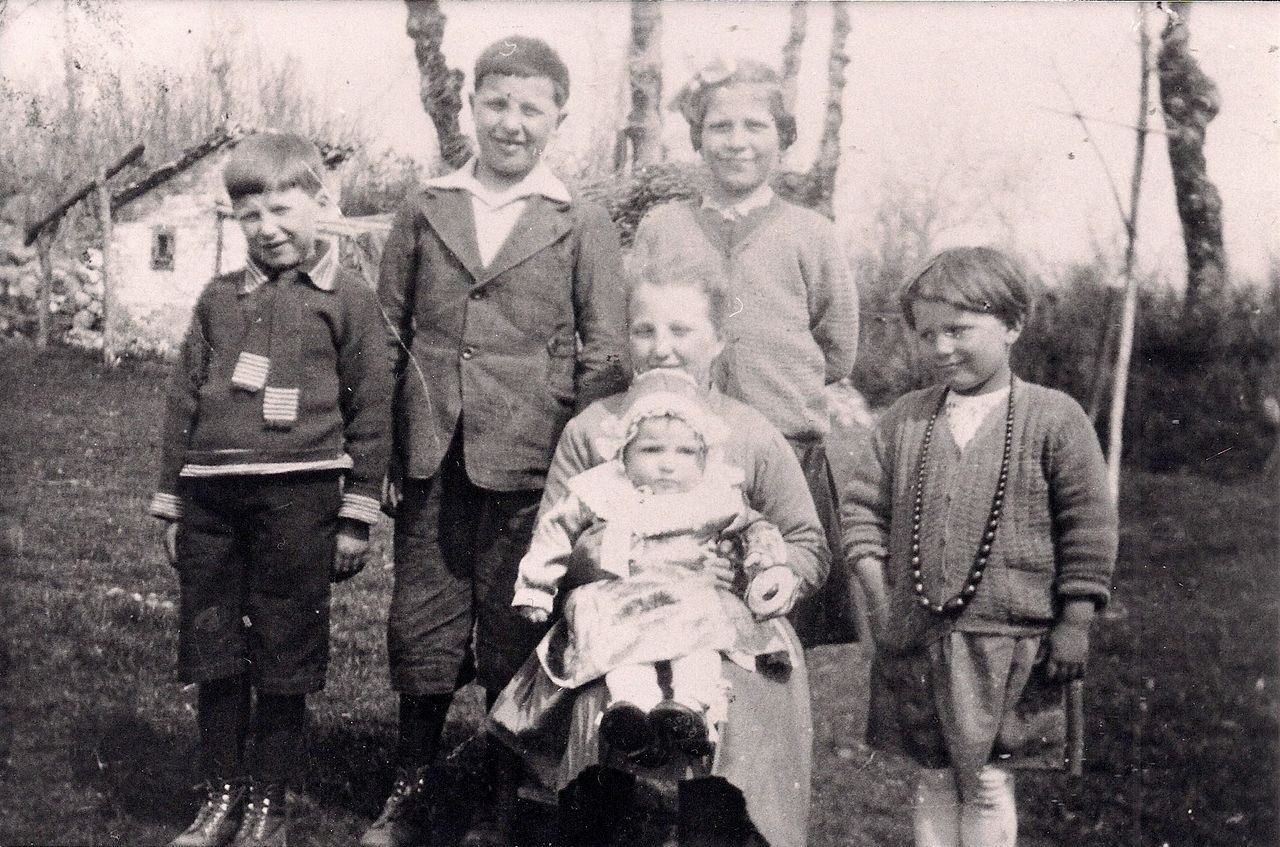
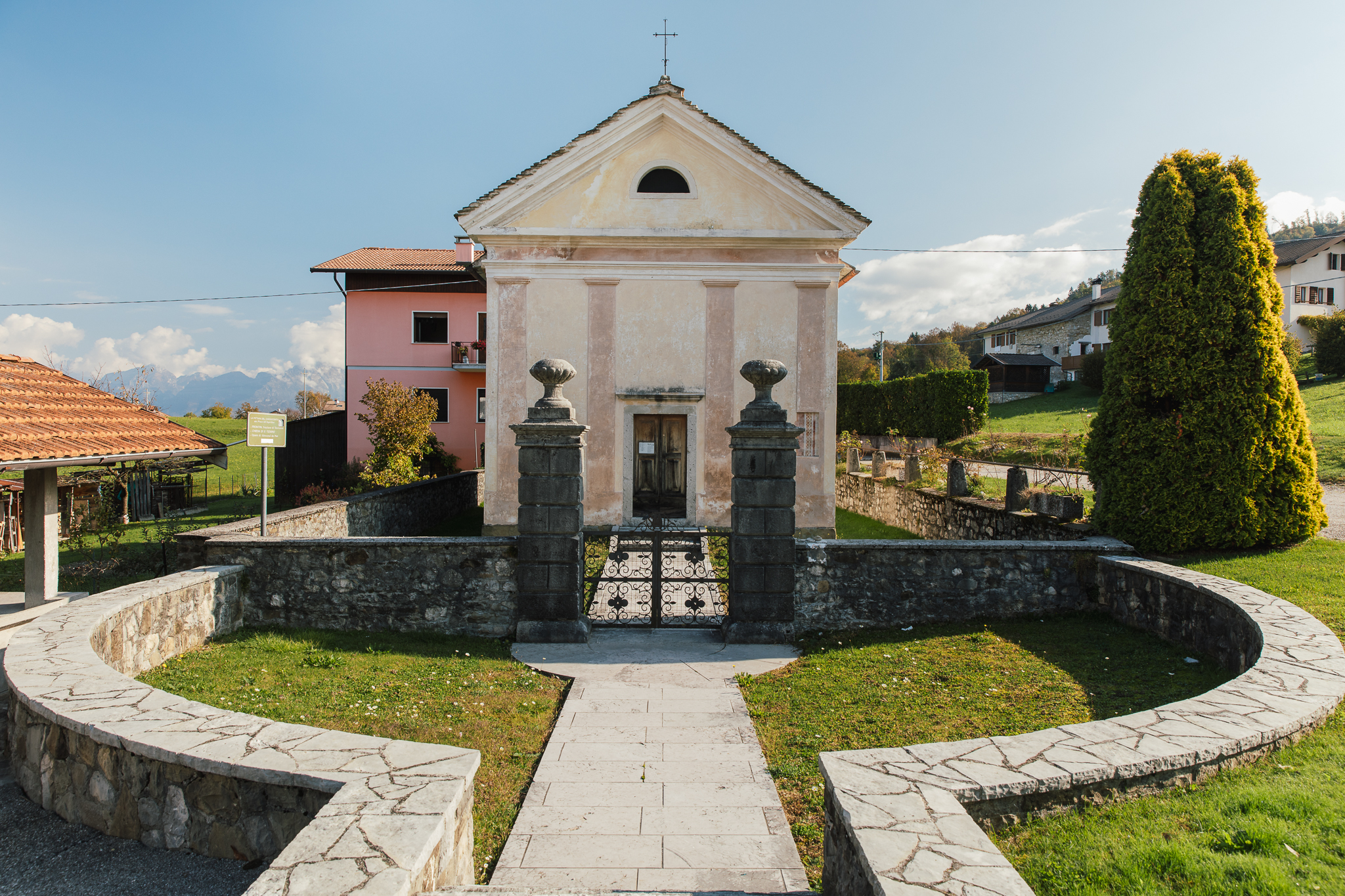
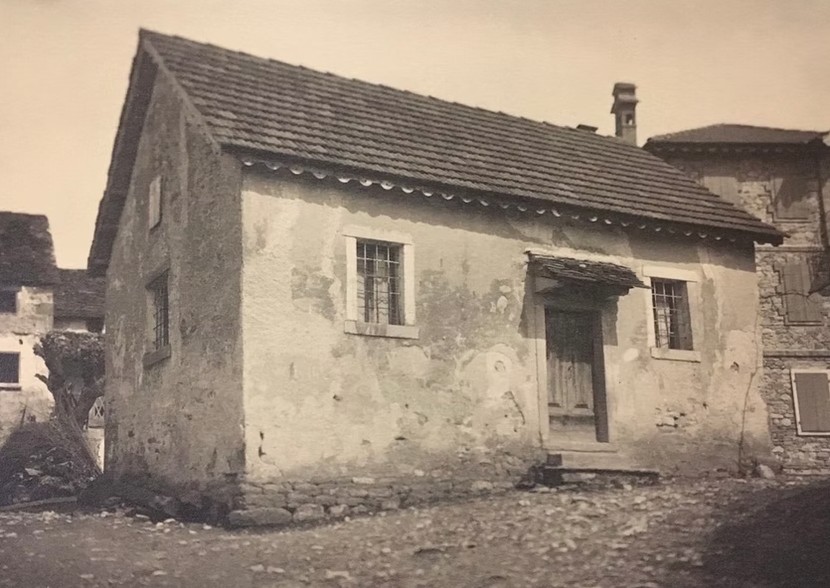
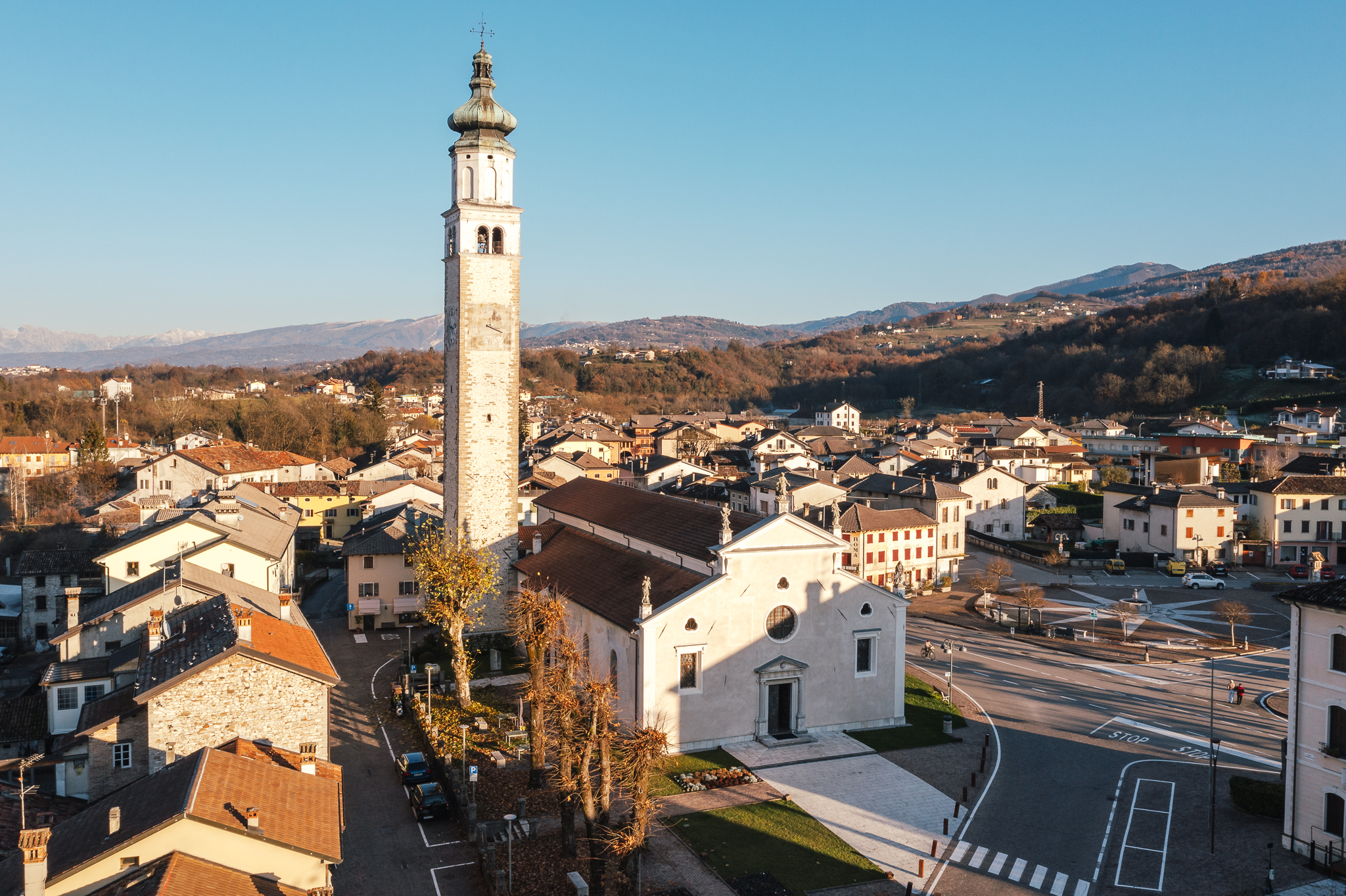
The territory of Borgo Valbelluna, and in particular the hamlet of Mel, was also a witness to the barbarity of Nazi-Fascist deportations. Some of its citizens were arrested and interned in labour and extermination camps.
These events were little known for a long time, but have been brought to light thanks to careful archival research and the collection of oral testimonies conducted by the scholar Paola Brunello, in collaboration with ISBREC and with the support of the Municipality of Borgo Valbelluna.
This research led to a three-year project to lay stumbling stones in front of the last homes where these people are known to have lived in freedom, giving them back a name, a story and a place in the collective memory.
The artistic project of stumbling stones, or Stolpersteine, began in Germany in 1992, when German artist Gunter Demnig laid the first stones in Cologne in memory of the Roma citizens deported from their homes. Starting almost unnoticed, the project gradually spread throughout Europe until it became the largest widespread monument to the memory of the victims of Nazism: by August 2024, over 107,000 stones had been laid in more than 1,900 European municipalities.
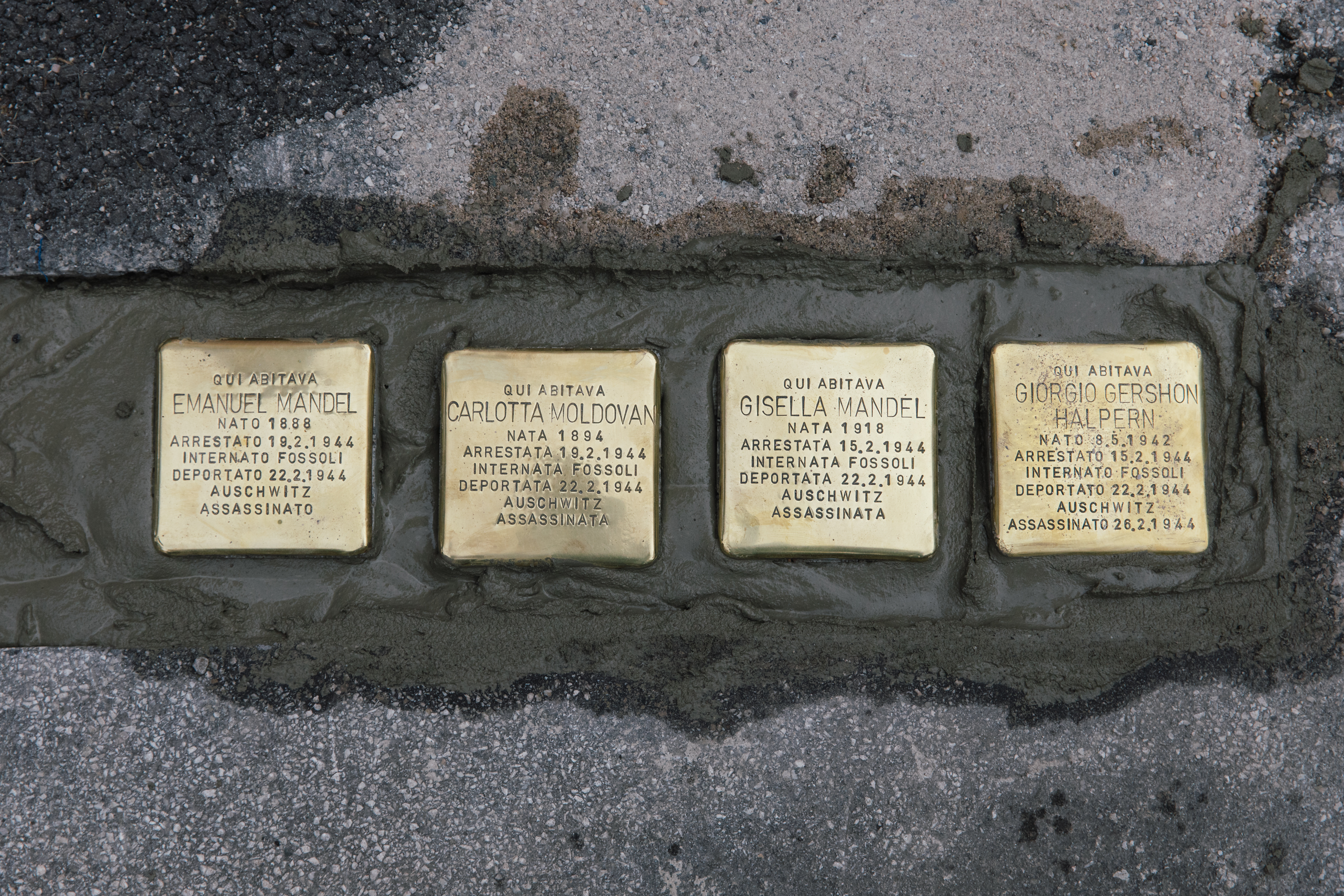
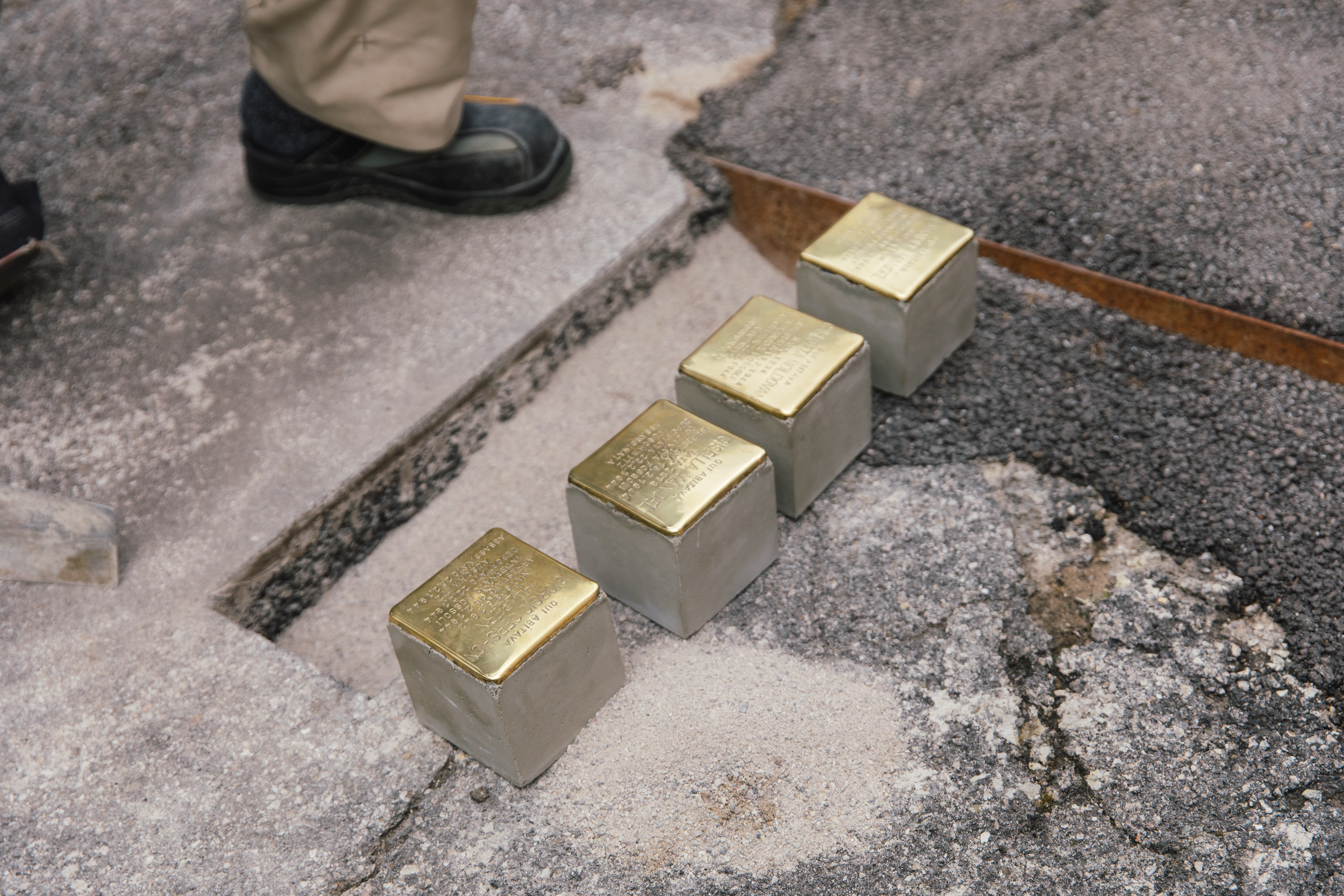
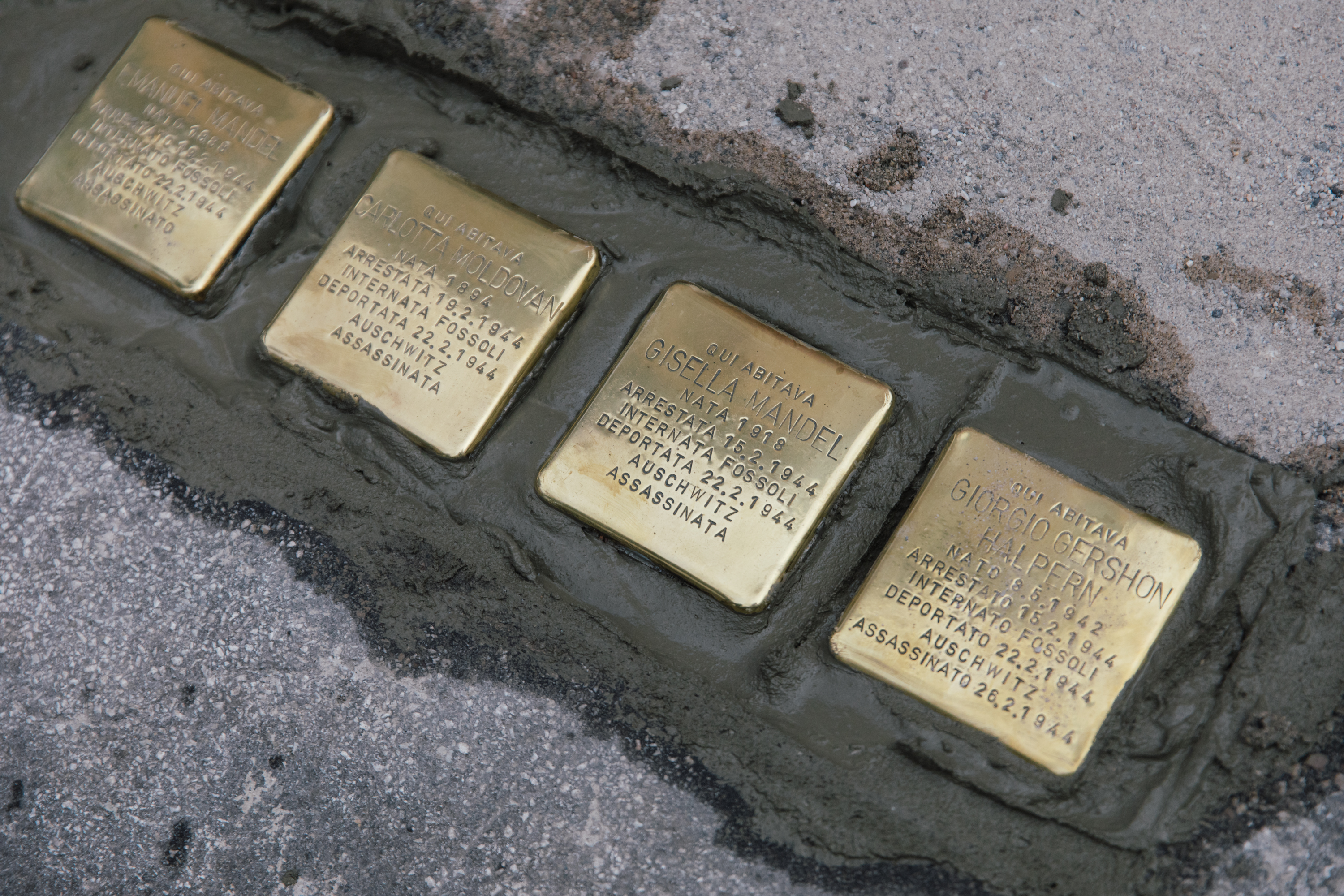
The stumbling stones measure 96 × 96 × 100 mm, are made of concrete and covered with a brass surface. Each one is engraved with the essential details of the deported person: name and surname, date of birth, date and place of death.
The stones are generally all the same and gold in colour, with the exception of some dedicated to citizens who were victims of the Franco regime in Spain, which have a silver surface.
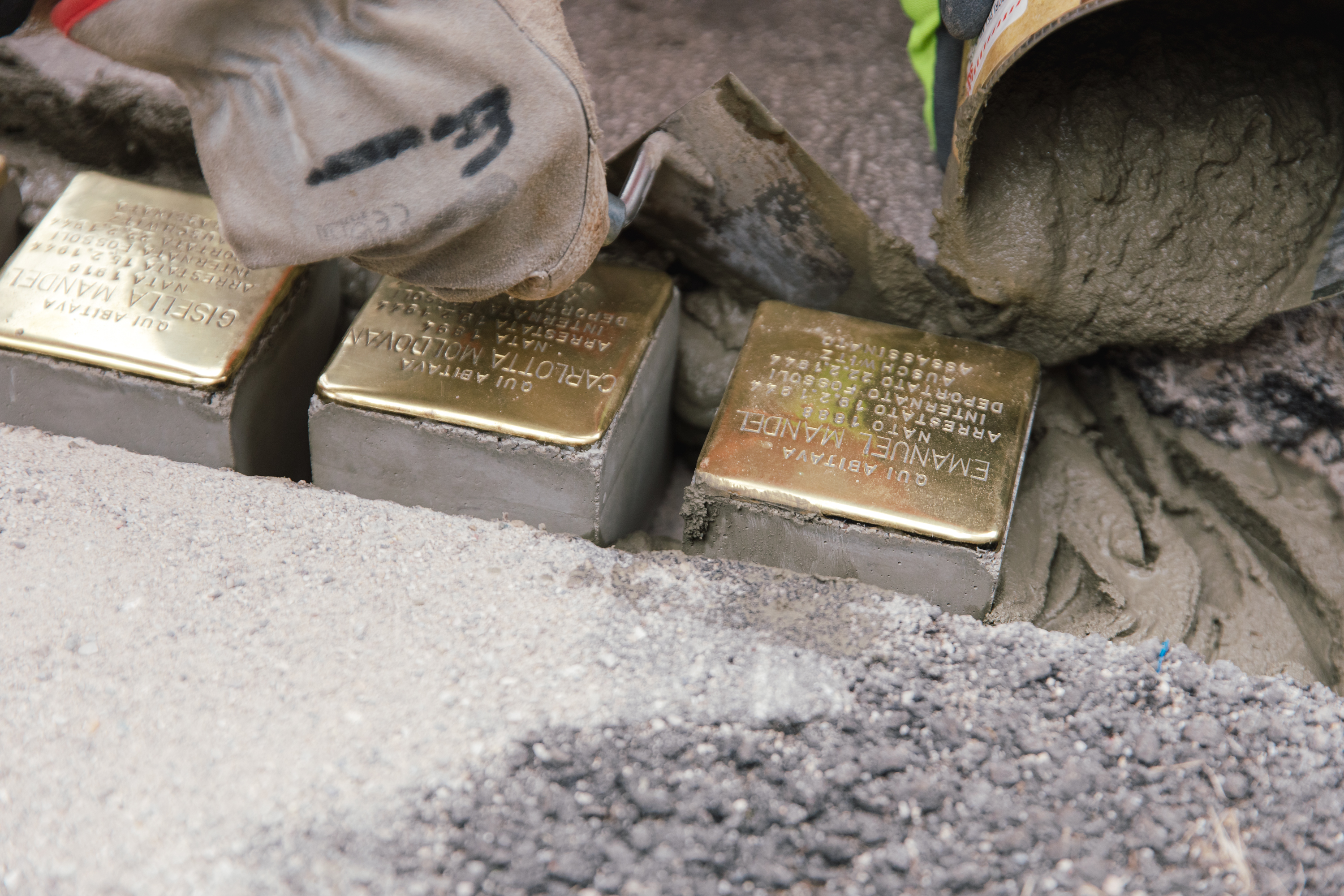
The laying of the stumbling stones in Borgo Valbelluna began on 15 January 2026. On this date, in the presence of the artist Gunter Demnig, witnesses, representatives of the associations involved and pupils from the third year of the Mel secondary school, the first four stones were laid in the little village of Conzago, at number 70. This house was home to Emanuel Mandel, Carlotta Moldovan, Gisella Mandel and Giorgio Gershon Halpern, who were arrested on 15 February 1944, interned in the Fossoli camp, deported on 22 February 1944 and murdered in the Auschwitz extermination camp.
The “stumbling” evoked by these stones is not physical, but visual and mental: it invites passers-by to stop, wonder about that discreet presence and remember what happened in that place and on that date. In this way, past and present are continuously intertwined, as are memory and current events.
The Stolpersteine are a concrete and tangible, yet discreet, sign that becomes part of the urban fabric. They remind us that memory cannot be limited to occasional commemorative moments, but must become an integral part of everyday life and the human and cultural landscape of our communities.